
9 Minimalist Living Room Styling Rules That Cut Clutter
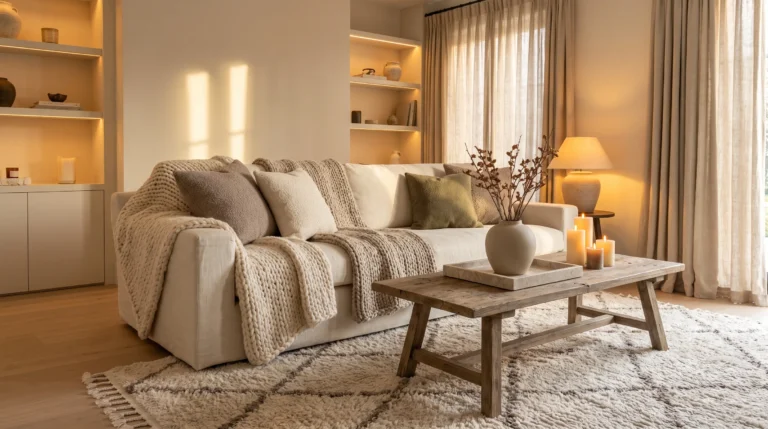
Walking into your main living space should feel like an immediate relief, not a visual checklist of items waiting to be organized. If your room feels chaotic despite regular cleaning, applying intentional minimalist living room styling principles will change everything. You do not need to strip away character or live in a cold, sterile gallery to enjoy an orderly home.
In my experience, living rooms collect mess not from a lack of tidiness, but from layouts that lack clear boundaries. By setting purposeful focal points, embracing closed cabinetry, and sticking to simple styling standards, you can enjoy a beautifully composed room that stays serene without endless upkeep.
Why Living Rooms Collect Visual Clutter
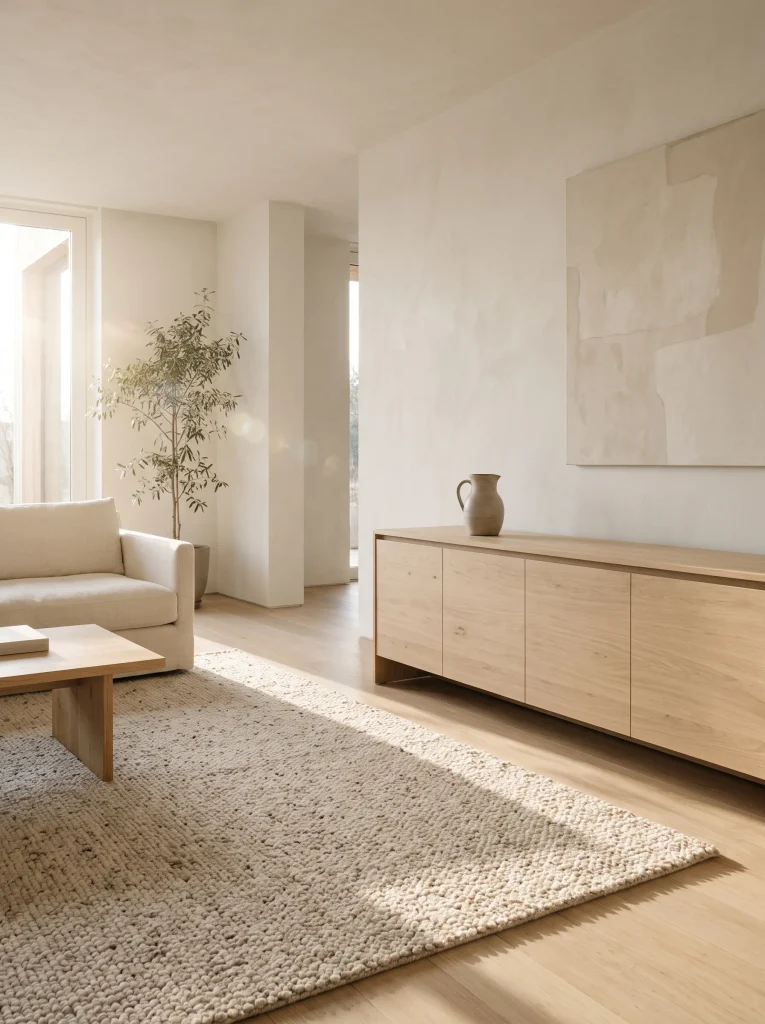
Everyday sitting rooms accumulate clutter because flat surfaces invite temporary drop-offs that slowly turn permanent. A stray book, unread mail, or an extra decorative bowl quickly compounds, stealing the open visual breathing room that makes a living space feel restful and orderly.
In my experience, clutter rarely stems from a lack of tidiness; it happens when objects lack clear boundaries. Understanding how small items multiply across your main tables allows you to make deliberate spatial choices that protect calm, open areas throughout the home.
Define a Clear Functional Focal Point
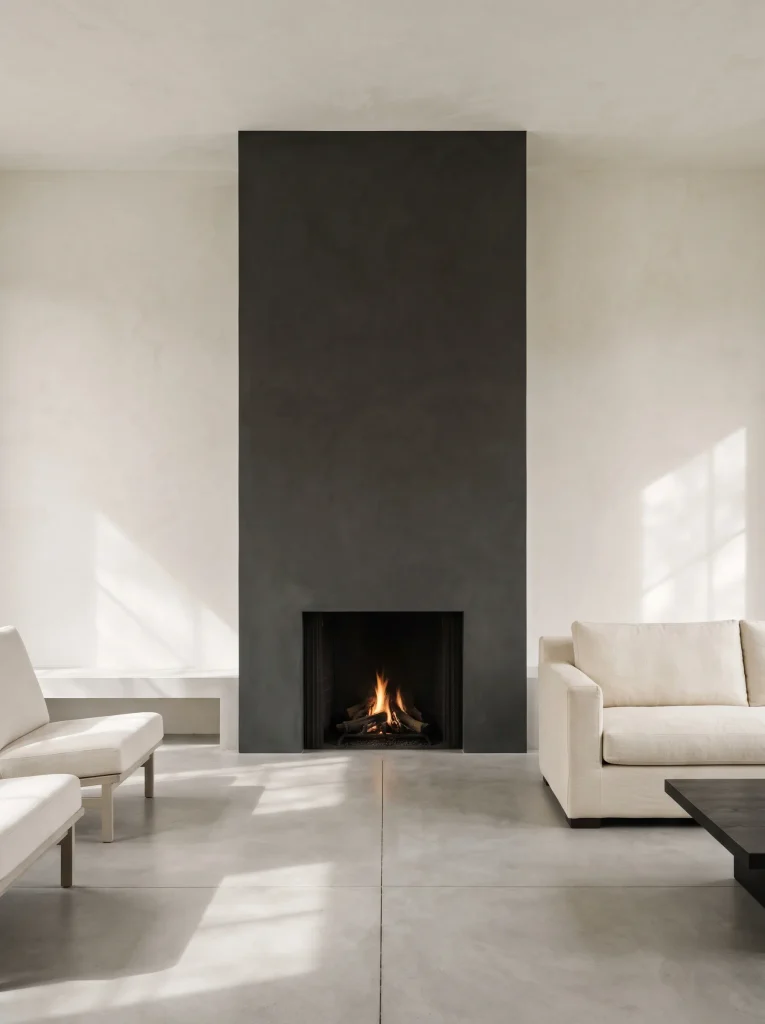
Every peaceful room needs one dominant feature that commands visual attention without overwhelming the senses. When you establish an intentional anchor, surrounding furnishings arrange themselves with clarity, instantly reducing the temptation to fill empty wall space with competing decorations.
- Identify the room’s strongest architectural asset, such as a picture window or masonry fireplace.
- Position the main couch directly facing or framing this chosen anchor point.
- Clear away small secondary furniture pieces that block the primary viewing axis.
- Keep the surrounding wall space bare to let the main feature breathe.
Establishing a singular focus immediately directs the eye toward tranquility. Without scattered decorative accents fighting for priority, the entire lounge feels grounded, intentional, and noticeably larger from the very moment you step into the room.
Follow the One In One Out Surface Standard
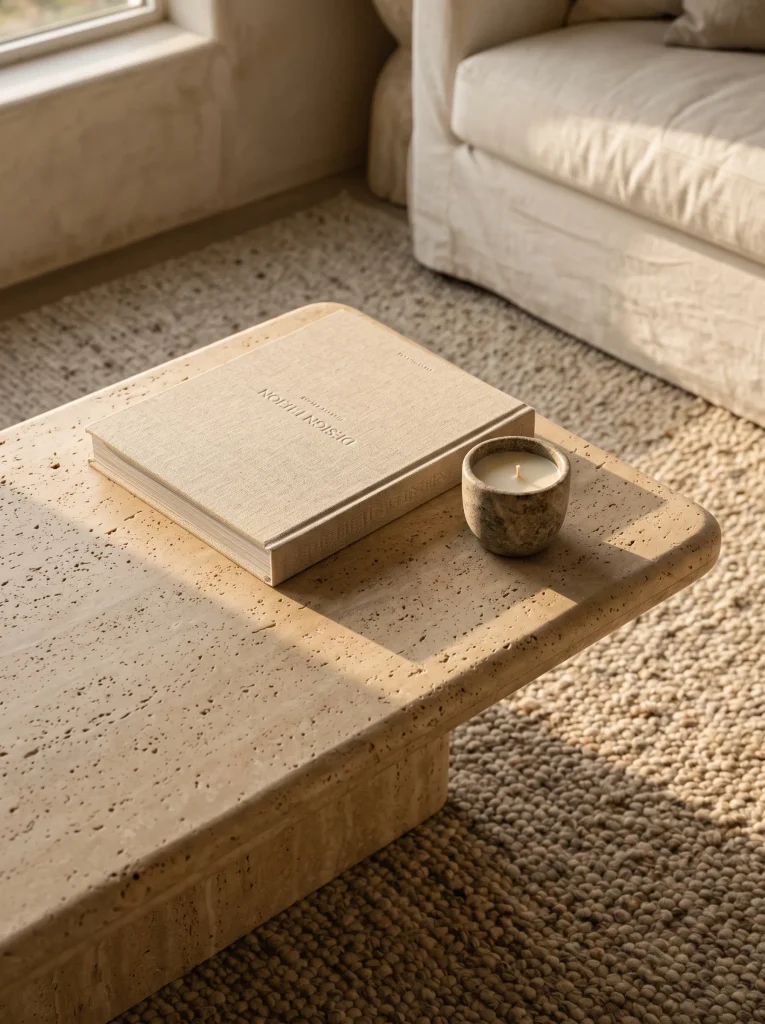
Quick Tip: Before setting any new vase, book, or tray onto your coffee table, immediately remove one existing piece and relocate it to closed storage. Maintaining a strict physical ceiling on items prevents surface creep without requiring constant deep cleans.
Horizontal surfaces are prime real estate for creeping household disorder. Enforcing a steady item exchange standard keeps tabletop arrangements deliberate and light. You preserve generous negative space around every accessory, ensuring each chosen piece receives the appreciation it deserves while keeping messy accumulations permanently at bay.
Choose Closed Storage Over Open Display Units
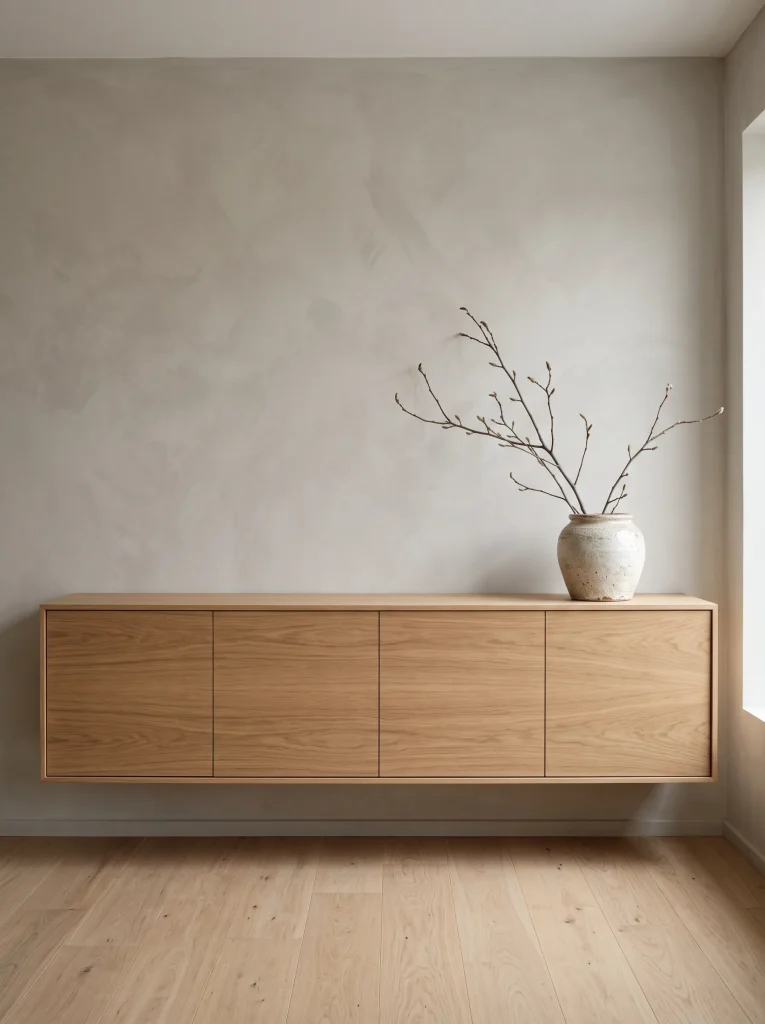
Common Mistake: Many homeowners fill wide open bookshelves with small books, framed family snapshots, and souvenir trinkets, assuming display shelves make a room look styled. Instead, open displays expose dozens of distinct colors and shapes, creating continuous background visual noise that drains mental energy.
The Fix: Swap open shelving for streamlined credenzas, floating timber consoles, or solid cabinet doors. Tucking remotes, board games, and device cables completely behind solid fronts instantly conceals necessary functional clutter while leaving your main wall planes calm, unified, and quiet.
Hiding daily necessities behind solid doors gives your walls uninterrupted simplicity. Closed cabinets keep everyday gear organized and accessible, yet entirely hidden from line of sight, creating an expansive environment where both eyes and mind can rest without distraction.
Group Decor in Intentional Sets of Three
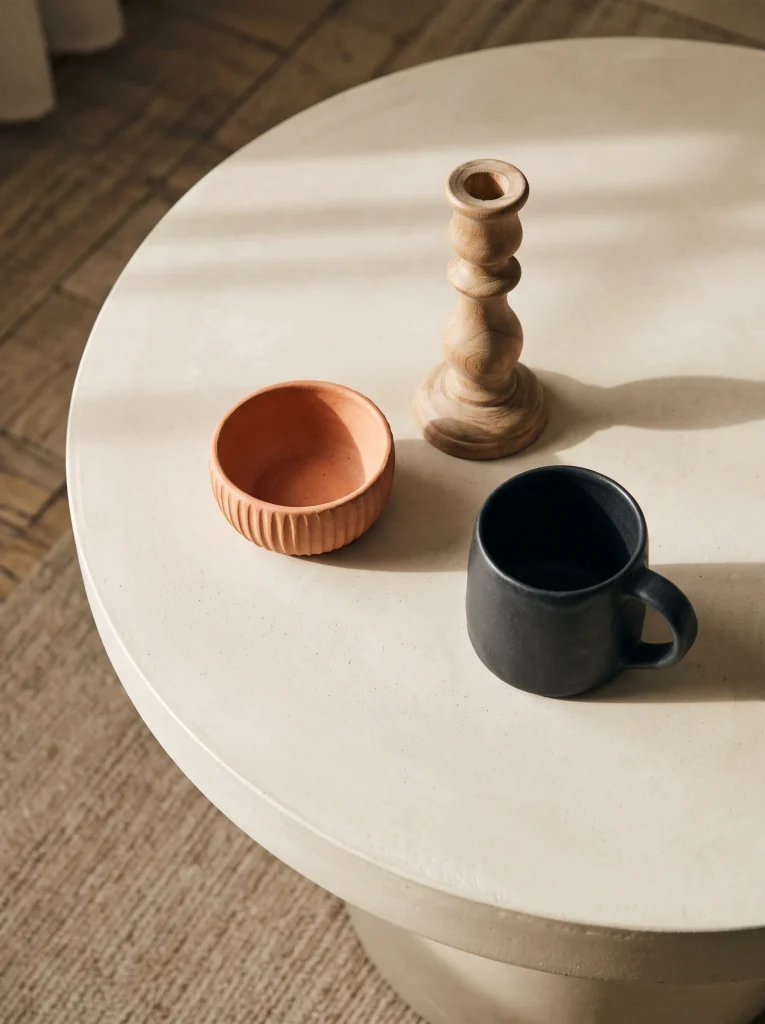
What You Need:
- One vertical anchor: A slender candlestick or tall ceramic branch vase adds necessary vertical height to the cluster.
- One grounded horizontal base: A shallow round wooden tray or small linen-bound book anchors the items securely.
- One tactile organic accent: A rough stone bowl or textured match striker provides contrasting touchable texture.
- Negative breathing space: Twelve inches of completely bare table surface surrounding the three-piece cluster preserves spatial balance.
Gathering decorative accents into an asymmetrical trio creates visual rhythm without scattering objects across the tabletop. Odd numbers naturally guide the eye across varied heights and organic textures, leaving the remaining surface area pleasantly open, deliberate, and remarkably simple to wipe clean during daily routines.
Limit Your Palette to Three Core Tones
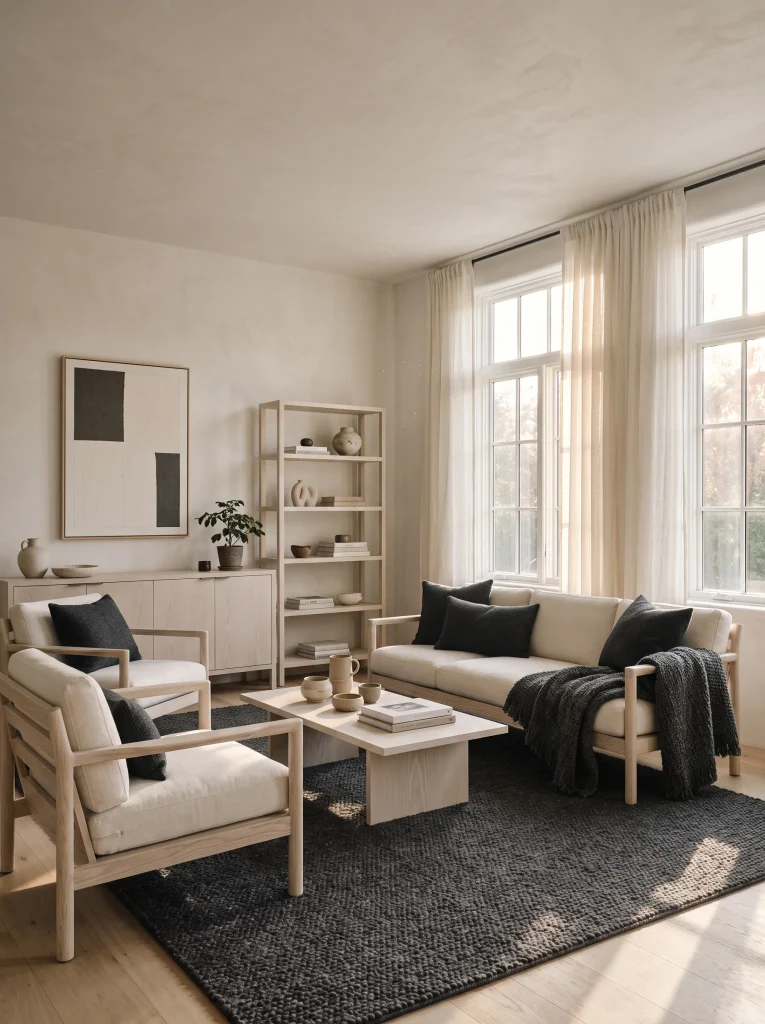
Before: A living area filled with contrasting throw pillows, bright wall art, and clashing wood tones feels chaotic and fractured, even when surfaces are completely clean. Every competing color demands separate attention, making the overall seating area look disorganized and visually busy.
After: Selecting one primary neutral, one soft supporting tone, and one grounding dark accent instantly harmonizes the entire layout. Surfaces feel coherent, furniture pieces visually melt into their surroundings, and the room achieves an unbroken air of quiet luxury.
Restricting your color scheme stops accidental visual clutter right at the source. Relying on subtle texture shifts instead of bold contrasting pigments brings understated warmth into your lounge, producing a tranquil backdrop that always looks composed, spacious, and thoughtfully considered.
Scale Up Furniture and Pare Down Accents
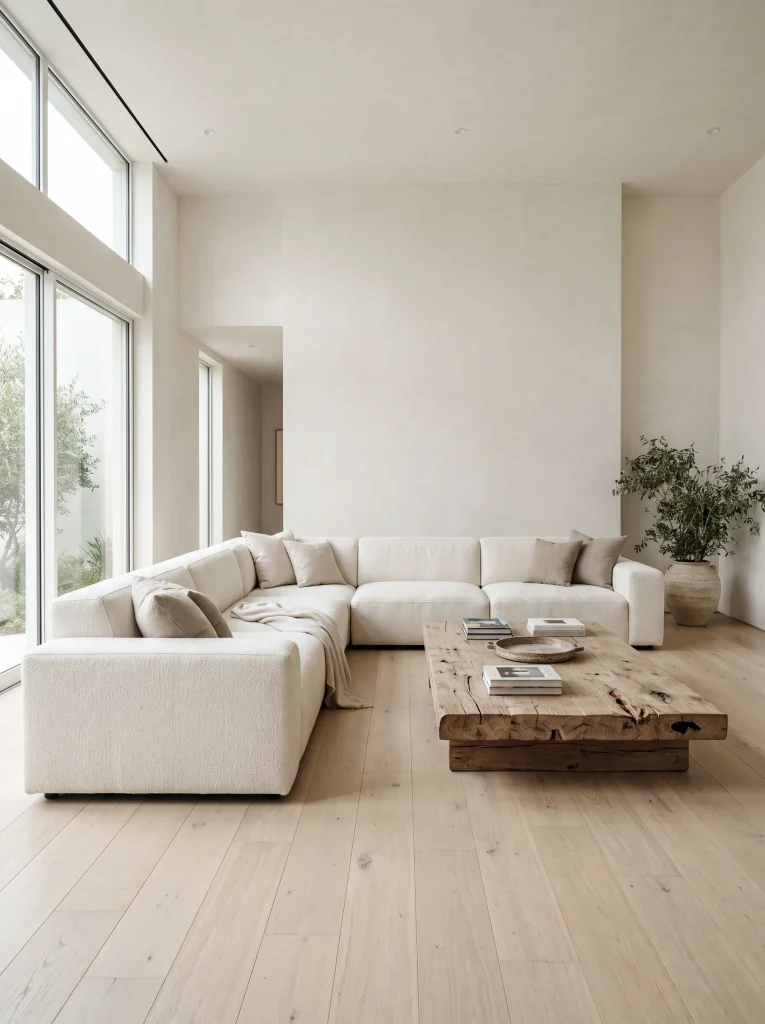
Do This:
- Choose one substantial sofa that comfortably fits your entire family over multiple small chairs.
- Anchor the room with an oversized area rug that extends under all main seating pieces.
- Select a single large coffee table instead of several tiny scattered accent tables.
- Leave at least three feet of open walking pathway around every furniture grouping.
Avoid This:
- Filling tight corners with tiny decorative accent tables and plant stands.
- Buying undersized furniture pieces that make the layout look fragmented and crowded.
- Pushing sofas directly flat against walls when a floating floor plan allows open flow.
- Adding multiple small floor poufs that disrupt natural walking lines.
Fewer large furnishings actually make a compact lounge look significantly bigger than a crowded mix of miniature pieces. Substantial furniture anchors your seating arrangement cleanly, reducing erratic visual breaks and giving the room an open, composed presence that feels generous rather than cramped.
Establish Daily Reset Habits for Clean Surfaces
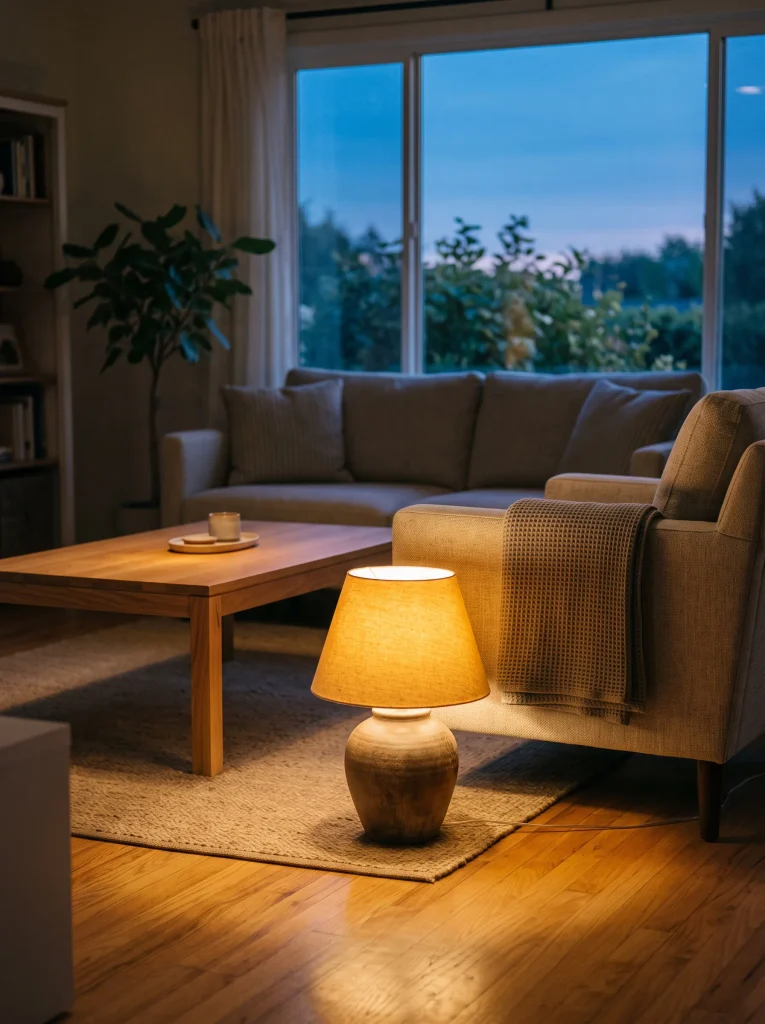
- Time Needed: 5 minutes | Difficulty: Very Easy
- Tools Required: Woven catch-all bin, microfiber dusting cloth
- Best For: Busy households wanting lasting daily tidiness
- Result: A tranquil, completely clear living room to wake up to each morning
Simple evening routines protect your layout from the slow creep of daily household items. Spending a few minutes clearing coffee table surfaces, plumping cushions, and returning stray mugs to the kitchen ensures your minimalist living room styling stays crisp and inviting day after day.
Common Styling Mistakes That Invite Clutter Back
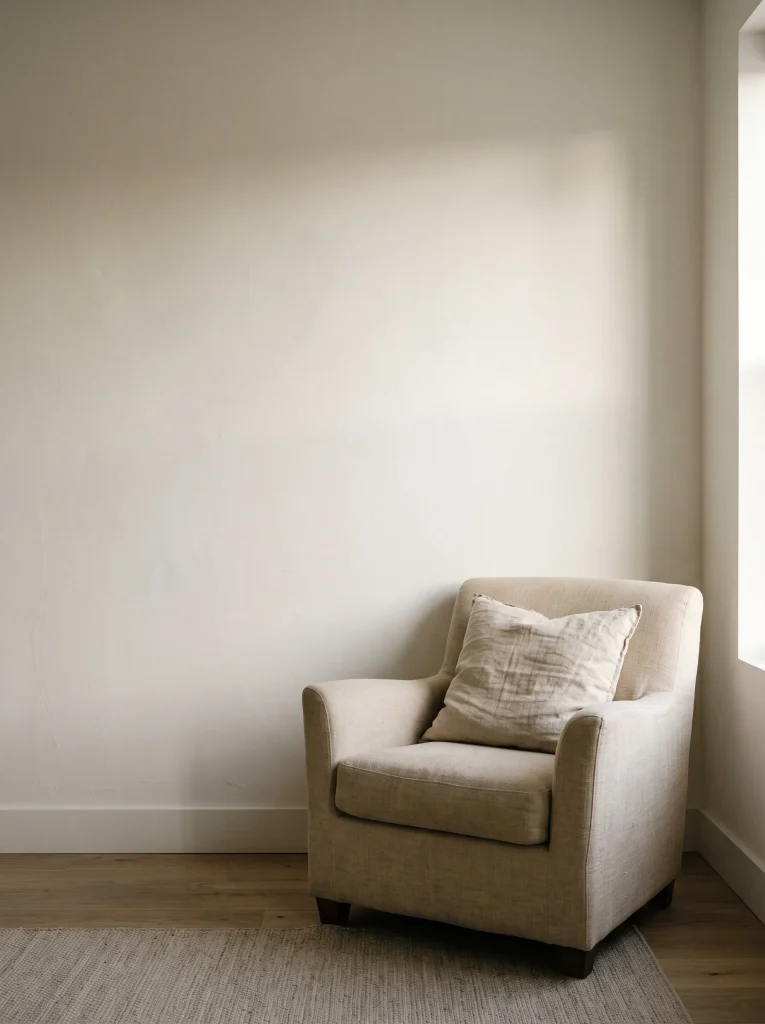
The most common trap in home decorating is the urge to fill every bare corner, empty wall expanse, or bare tabletop with accessories. When you view empty areas as unfinished voids rather than deliberate breathing room, you accidentally invite clutter back into your living spaces.
In my experience, true interior comfort begins when you learn to appreciate unadorned surfaces. Giving each chosen piece generous room to stand alone creates visual quiet, turning your primary living area into an enduring sanctuary of order, relaxation, and purposeful simplicity.
Also check this: Cozy Living Room Ideas
Conclusion
Cutting clutter permanently is not about getting rid of everything you own; it is about choosing what deserves center stage. By embracing thoughtful minimalist living room styling, you replace visual noise with open, restorative calm. I have seen how making this one change can completely shift the result, turning a chaotic sitting area into a peaceful sanctuary. Save this practical guide to your Pinterest decor board for your next weekend reset, start by clearing your main tabletop today, and share these rules with anyone ready to simplify their space.


One Comment